
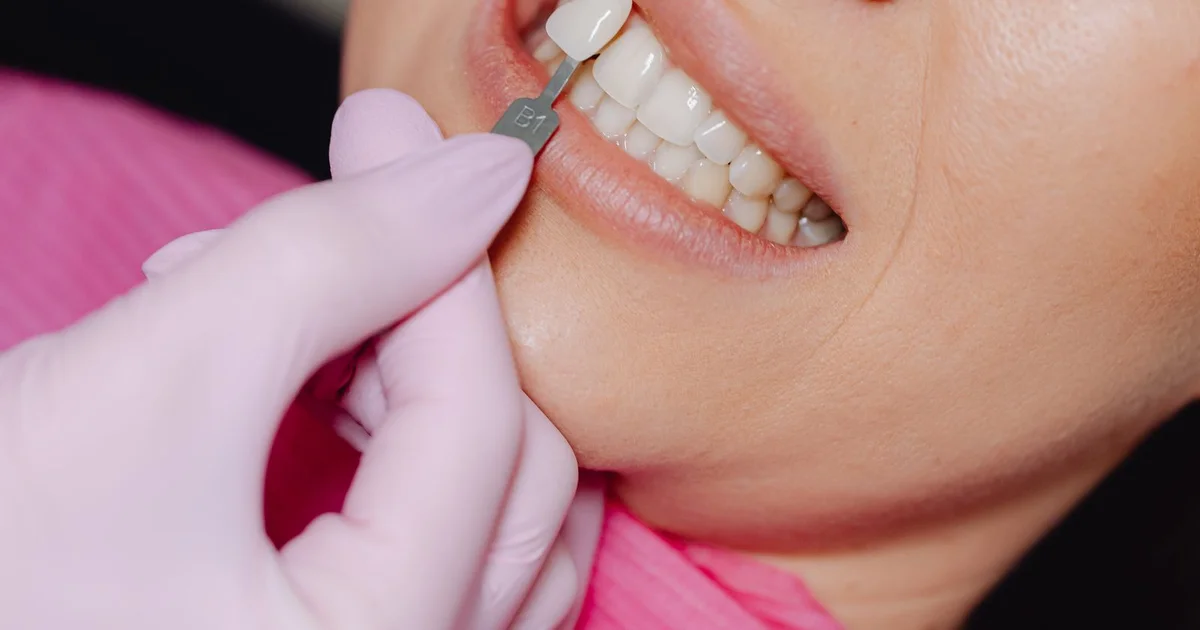
Veneers are one of cosmetic dentistry's most powerful tools. A thin shell of porcelain bonded to the front surface of a tooth can correct colour, shape, size, and minor alignment issues simultaneously. The results can be dramatic, and done well, they look completely natural.
But veneers are also a significant investment and a permanent change to your teeth. This guide covers everything you need to make an informed decision.
What Are Porcelain Veneers?
A porcelain veneer is a custom-made, wafer-thin ceramic shell permanently bonded to the front surface of a tooth. Each veneer is individually crafted in a dental laboratory to match the shape and shade prescribed by your dentist, and bonded using dental adhesive that is hardened with a curing light.
Porcelain is the premium material for veneers because it is:
- Highly stain-resistant - porcelain does not absorb colour from food, coffee, or wine the way natural enamel does
- Translucent - it mimics the light-reflecting properties of natural tooth enamel better than any other material
- Durable - with proper care, porcelain veneers last 10 to 20 years
- Biocompatible - well tolerated by gum tissue with no risk of allergic reaction
What Problems Can Veneers Fix?
Veneers are suitable for correcting:
- Permanent discolouration that doesn't respond to whitening (tetracycline staining, fluorosis, internal staining)
- Chipped or worn front teeth
- Small gaps or spaces between teeth (diastema)
- Mild crowding or misalignment
- Misshapen or undersized teeth
- Worn-down teeth from grinding or acid erosion
Veneers are a cosmetic solution, not a structural one. If a tooth has significant decay, a large existing restoration, or structural damage, a crown is usually the more appropriate option.
Porcelain vs Composite Veneers
There are two main types of veneers: porcelain (lab-fabricated) and composite resin (direct, chair-side).
| Feature | Porcelain | Composite resin |
|---|---|---|
| Fabrication | Lab (2+ appointments) | Chair-side (1 appointment) |
| Lifespan | 10 to 20 years | 5 to 7 years |
| Stain resistance | Excellent | Moderate |
| Appearance | Most natural | Good |
| Repairability | Cannot be repaired (replaced) | Can be repaired |
| Cost per tooth | $1,800 to $2,500 | $400 to $900 |
Composite veneers offer a more affordable entry point and can be completed in a single visit, but they require more frequent replacement and are more prone to staining over time. Porcelain veneers are the premium long-term solution.
The Veneer Process: Step by Step
Consultation
Your dentist assesses the teeth you want to change, discusses your goals, and determines whether veneers are the right solution or whether another treatment (orthodontics, composite bonding, crowns) would serve you better.
Digital smile design allows you to preview the proposed result before any work begins - this is an important part of the planning process at our practice.
Tooth Preparation
A thin layer of enamel (typically 0.3 to 0.7mm) is removed from the front surface of each tooth to create room for the veneer. This keeps the final tooth size natural rather than bulky.
Local anaesthesia is used throughout. Temporary veneers are placed to protect the prepared teeth while your permanent veneers are being made in the lab (usually 1 to 2 weeks).
Fabrication
Your impressions (or digital scan) are sent to a dental technician who handcrafts each veneer in porcelain to the specifications agreed at your consultation: shape, size, and shade.
Bonding
Your temporary veneers are removed, the permanent porcelain veneers are checked for fit and colour, any adjustments are made, and they are permanently bonded to your teeth.
Review Appointment
A follow-up check at 2 to 4 weeks confirms the bite is comfortable, gum health is good, and you are happy with the result.
How Much Do Veneers Cost in Western Sydney?
Porcelain veneers typically cost $1,800 to $2,500 per tooth. A full smile makeover covering 8 upper front teeth would range from approximately $14,000 to $20,000.
Composite veneers range from $400 to $900 per tooth, depending on complexity.
Health funds generally do not cover veneers as they are classified as cosmetic treatment. Payment plans are available to spread the cost of your treatment.
Caring for Your Veneers
Veneers require the same care as natural teeth: twice-daily brushing, daily flossing, and regular check-ups. A few additional considerations:
Wear a nightguard if you grind your teeth. Bruxism is the number one cause of premature veneer failure. A custom-fitted nightguard protects the investment.
Avoid biting hard objects. Opening packaging, chewing ice, or biting fingernails can chip veneers.
Moderate staining foods and drinks. Porcelain resists staining far better than natural enamel, but the bonding resin at the edges can discolour over time. Regular professional cleans help maintain the appearance.
Veneers at Serene Family Dental - Ropes Crossing
We offer porcelain veneer consultations at our Ropes Crossing practice, with digital smile design as part of the planning process. We work with experienced dental technicians to ensure every set of veneers we fit looks natural and feels comfortable.
We serve patients from across western Sydney including Penrith, Blacktown, Mount Druitt, St Marys, Jordan Springs, Kingswood, St Clair, Glenmore Park and surrounding suburbs.
Book a veneer consultation or call (02) 9053 1995 to speak with our team.